
Creative & Media
AI in creative roles: designers, writers, journalists, translators, musicians, and video and game makers.
 Creative & Media9 Picks
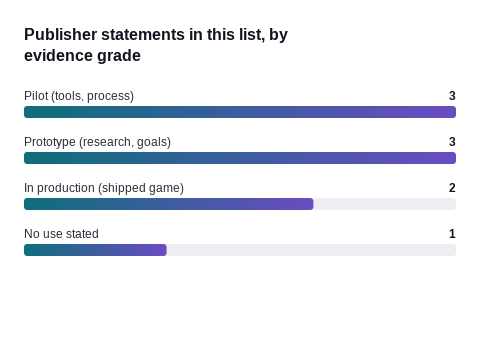
Which Game Publishers Say They Use Generative AI, and for What: Stated Positions, Dated
Game publishers have said, on earnings calls, store pages and investor slides, how they use generative AI. This list gives nine dated statements in the publishers' own words, grades each by whether it describes shipped work, tools, research or nothing, and leaves out what we could not open.
Newsroom AI Rules Compared: What Nine News Organizations' Published Policies Permit and Prohibit
Newsrooms have published rules for how reporters and editors may use generative AI. This sets out nine of them side by side, from the BBC and WIRED to CBC and a Swiss public broadcaster: whether AI text may be published, what must be disclosed, who signs off, and what is banned, as each organization states it.
How Machine Translation Quality Is Scored: BLEU, COMET and Human Error Marking
When a company says its machine translation is "better" or "human-level", the claim rests on a score. This explains how the main scores are computed, from BLEU's word-overlap count to expert error marking, what each is known to miss, and what that means for claims about translators' work.
 Creative & MediaExplainer
How Machine Translation and AI Interpreting Work, and What's Left for Translators
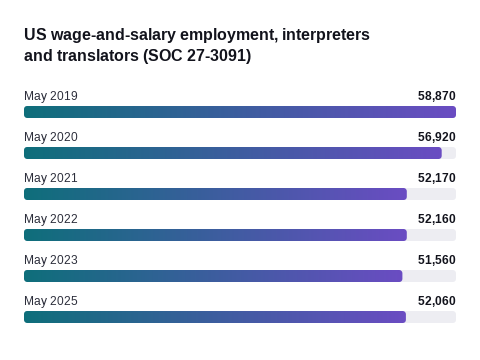
Neural and LLM translation, quality estimation, post-editing and speech-to-speech interpreting, explained step by step, with the eight core tasks of interpreters and translators graded by evidence and what US job data does and doesn't show.