
Healthcare
AI in clinical and care roles: radiologists, clinicians, nurses, pharmacists and care workers. AI scribes, FDA-cleared AI devices, and surgical and care robots.
How Remote Robotic Surgery Works: The Latency Limit, the Closed Network and Who Approves It
A surgeon at a console can operate a robot hundreds or thousands of kilometers away, but only over a dedicated network with a delay budget of about 100 milliseconds. This explains how the connection works, who stays in the operating room, what the documented cases show, and where regulators stand.
 HealthcareFeature
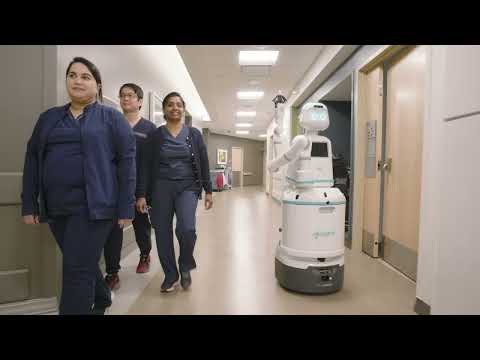
Hospital Robots and the Nurse's Job: What They Do, and What They Don't
Hospital robots carry supplies, lab samples and medications for nurses at dozens of US hospitals. Task by task, here is how much of a registered nurse's listed work any robot or AI system does in production, by the makers' and hospitals' own figures, and where the deployments have stopped.
 HealthcareFeature
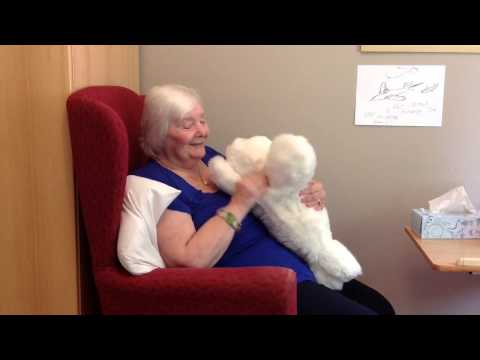
Elderly-Care Robots: How Much of a Care Worker's Job They Actually Do
Robots that lift, turn or wash older people are rare in real care work; what care homes actually run are monitoring sensors, delivery robots and companion robots. Here is every named eldercare robot case we could verify in Japan, China, Korea, Singapore, the US and the UK, graded by its evidence, with what they cost and what has been measured.
 HealthcareTop 18
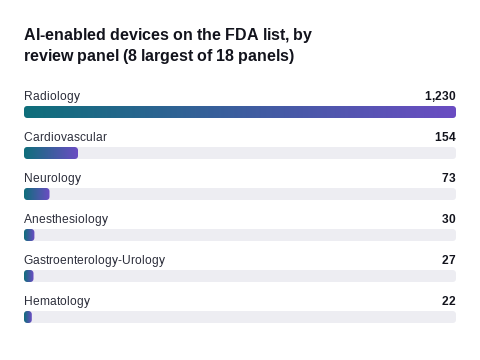
Most AI-Enabled Medical Devices by FDA Review Panel: Radiology Holds 76% of the List
The FDA's list of AI-enabled medical devices held 1,614 authorizations on September 4, 2026, and 1,230 of them were reviewed by the Radiology panel. Here is every review panel on the list, ranked by device count, with what the count does and doesn't say about the clinicians who work in each field.
 HealthcareExplainer
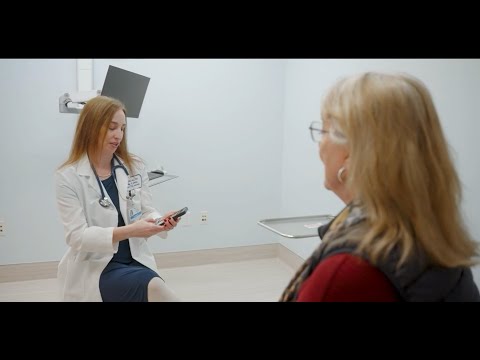
How an Ambient AI Scribe Works, and What It Takes Off Clinicians
An ambient AI scribe turns a recorded visit into a draft note that the clinician reviews and signs. Randomized trials found modest time savings and less work exhaustion, while diagnosis and treatment stay with the physician.